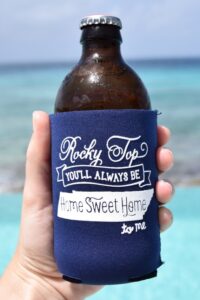
One day Dr. Wetbrain yelled at sleeping Harold, “I have a history lesson for you!”. He never woke up. So, the Doctor. babbled on anyways.
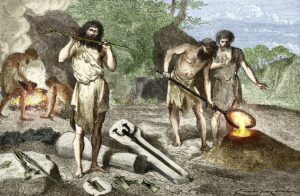
The Bronze Age started about 2300 BC, Harold. And ended near 800 BC when the Iron Age began. Over 2000 years ago near the end of the Bronze Age to strike against the end of this era thousands of people from hundreds of different groups traveled 100s of miles to gather for a huge feast party. Looks like all the partiers brought livestock for the big feast.
All the livestock in tow had 2 important purposes. To carry gallons and gallons of wine and beer in jars for hundreds of miles. Also to be used as tasty meal for the feast. So many people with livestock, wine, beer and mead were at this festive feast. The band of party goers accumulated in Britain from countries such as Egypt, Iraq, Mesopotamia, Pakistan, China and India.
Sure, a lot of alcohol was drunk, but all the livestock devoured produced huge piles of bones, skin and other stuff. On the British landscape these now mounds are called Middens. 6 Middens were found so far. One of these Middens is the size of 5 football fields with 15 million bone fragments. So, you know a lot of jars of wine and beer were brought. And alot of fun was had by all.
Dr. Wetbrain knew Harold was awake and listening to this history of a party. He had one eye open.
“Wetbrain”, Harold yelled. “It was a light beer party! I have never peed so much in one night. Had to go every half hour or more. Thought OK go to the party need to lose weight anyways. After awhile I realized that I wasn’t catching a buzz. So, I started guzzling this light beer. So, now I’m peeing a lot and gaining weight”.
The first light beer was created in the 1940’s in the U.S.A. The public wanted beer with less calories and alcohol content. Coors Brewing Company started selling Coors Light in 1941. Europeans at that time were experimenting with producing low alcohol versions since the 1940’s. Apparently too bitter.
In New York City there was a billboard from 1939 to 1941 advertising Feigenspan Light Beer. Never really took off.
Due to high marketing campaigns in the late 1970’s and early 1980’s Light Beer took off! Which shows the culture and lifestyle of beer.
Apparently the most common way to make light beer is to add glucoamylase to the wort before fermentation. This smart enzyme breaks down carbohydrates and turns them into sugars.
Definitions:
Glucoamylase – Glucoamylase is a digestive and industrial enzyme that breaks down complex starches into simple glucose sugars by cleaving chemical bonds from the ends of the carbohydrate chains.
Wort – a sweet liquid drained from mash and fermented to make beer and whiskey.
Biermaische
Decoction Mashing -A decoction mash is a traditional brewing technique where a portion of the grain and water mixture is removed, boiled separately in a kettle, and returned to the main mash to raise its overall temperature. This process breaks down grain cell walls, increases brewing efficiency, and creates rich, complex malt flavors through caramelization and Maillard reactions. [1, 2, 3, 4, 5]
When making light beer the mash does not have more water added or extra heating. Due to popular belief. Decoction mashing has a multistep mashing process which makes beer light. Enzymes break down more of carbohydrates during the brewing process, thus sugars.
At one-point people thought that light beer was just watered down.
Let’s talk about beer weight gain. Alcohol is the major source of calories first-of-all. Light beer is not calorie free, just less calories.
With less alcohol content you are not getting the buzz you wanted, so now you are drinking much more and must pee more and gain over all the same number of calories in the end.
Light Beer is usually overpriced due to the added brewing process and the marketing angle of culture and lifestyle.
Due to the pee problem at the Light Beer party Harold declared, “Only regular or strong beer for me from now on! Otherwise, I’m wearing diapers at this party.”
Dr. Wetbrain shook his head in disdain and thought what an idiot.
So, there were many bottle opening technics created during this desperate situation. First the bottom of the Bic disposable lighter to flick the cap off was most popular. Unfortunately, the plastic casing was getting chewed to a point where fire safety could be a factor.
In 1970s the stubby beer bottles were the only thing and everyone had a bottle of beer between their legs while driving. In that era no one wore seatbelts, so the insert of the buckle was the perfect beer bottle opener. I think the police even had a beer between their legs while driving.
If all else fails to open a beer you can use 2 full beer bottles to open one bottle using the caps of each bottle. This actually works; I used this method a lot.
Then there are the bizarre bottle openers. I knew a few people that used their eye sockets as a bottle opener, and some used their teeth! Personally, I think that it was a drunken magic trick where the cap is loosened before they say, “Look at me”.
Then there is camping or in the boonies where you must be inventive to have a bottle opener. Fire logs work also rocks that have edges. Even a bone from some dead animal.
Dr. Wetbrain was staring off into the distance thinking that at one time it was difficult to open a beer.
Harold was sitting at the kitchen table with 2 beers, one bottle and one can of the same brand. What are you doing Harold? Double fisting?
Harold replied, “No tasting to see if there is a difference between bottles and cans. They seem to be the same.”
Let us scientifically investigate into this. Dr. Wetbrain declared.
Bottles or cans, which beer container is better? This is quite the debate. Both have their pros and cons.
First to note is that different beers have a different metabolic profile which reacts differently in bottles or cans.
Other things to consider on which is better is the storage time in a warehouse, transportation time and at what temperature. There is a due date. Think of beer like milk. Drink Grandma’s 50-year-old lost bottle of beer would not taste good and flat. Even with transport and storage we must look at Total Packaged Oxygen. I was thinking about this because I have had a half full bottle of beer from the night before, gave the bottle a good shake with my thumb over the top. Always good to drink after.
Note: Bumps at the bottom of beer bottles are not how many times that bottle was disinfected and reused. These are mold codes to let the manufactor to produce the very same bottle.
Sunlight and oxygen can upset the brewing process. Glass bottles in sunlight can make certain beers skunk tasting. The green tinted bottles help that problem, a little. Cans will not absorb any UV rays at all.
Cans did have a bad reputation of the beer tasting tin like. But these days tin cans have a protective liner on the inside. No tin taste, oxygen and sunlight.
Useful Notes:
If you had a cold beer and somehow got it warm, then cooled it again, this would not change the quality and taste of the beer. Whether bottles or cans.
The density of glass on beer bottles vs tin cans keeps beer cold longer.
Stubby holder or cozy which is a glove around your beer makes the insulation of beer stay colder longer.
Bottles of beer are heavier to carry to a party then same number of cans.
Harold thought about this and said, well I will just guzzle both bottle and can. No difference I noticed. Don’t want them to go bad, like milk.
One winter day Dr. Wetbrain walked into the living room where Harold was sitting back watching TV.
“Your balls are showing.” The doctor mentioned. Harold quickly checked himself out.
Wetbrain laughed. “No, your Beer Balls that you buried a few months ago are now showing with the spring melt. Those Beer Balls were certainly a blast from the past. How many of these old balls do you have left Harold?”
This great blast from the past became mostly famous at college parties during the 1980’s and 90’s. Awe the good old days.
How did this Beer Ball start. In 1976 the first Beer Ball was produced by Matt Brewery in Utica, New York, US by the president J. Kemper Matt Sr., filled with Matt’s Premium Lager. These Beer Balls held over 5 gallons, which is equal to 55 beers.
Beer Balls became more popular by other breweries jumping on the band wagon. Beer companies like Coors, Guinness, Anheuser-Busch (Budweiser) develop their own Beer Balls in the future years.
Easy to use. Fill a cooler or box with ice, put the beer ball into the ice, insert the tap handle and pour. The tap handle was sold separately and noted as reusable, but users found out that they were good for 3 uses at the most.
Coors, Anheuser-Busch and Guinness Breweries also developed their own Beer Balls. Coors coined their beer balls as the Party Ball. Here is a 1989 TV commercial for Coors Party Ball.
The sad Beer Ball ending. The last of the cherished Beer Ball era came to an end in 2011 with last 2 companies that produced the beer ball, Coors and Budweiser (Anheuser-Busch).
Doing the research on the fall of the Beer Ball I came across too many excuses that range from environmental to financial. The last 2 excuses make sense from some of the other excuses I read about. Trends do run out. That poor Pet Rock.
Ending. Harold finally replied to Dr. Wetbrain on how many Beer Balls he has left from the past.
Harold’s reply, “Only 8 or 9 left.”
Money hungry Dr. Wetbrain thought.” You should sell the last one at an auction.” Harold just sideway nodded… NO.
One quiet afternoon Harold and Dr. Wetbrain were sitting back on the porch, sipping on a beer.
Interrupting the quietness Dr. Wetbrain began. “Picture this Harold. A nice European warm sunny day, sitting at an open bar which is slowly moving through an ancient cobblestoned street. Meeting, drinking and cheering the people you are sitting with and the smiling people on the street. Once in awhile this moving bar would stop at a historic pub for a pint or two. Drunk when dropped off at your hotel.”
“Snap out of it!”, Harold yelled.
“What!” The doctor retaliated. “This dream is possible. Have you heard of Beer Bikes which are all around the world. Except in Muslim countries. Yes there is such a thing as party bikes. Famed tourist countries such as Netherlands, US, Canada, Belgium, Germany, France, Australia has one somewhere, Italy, Holland and Japan all have Beer Bikes. These slow traveling bars are great for birthday parties, company outings, bachelorette parties or just friends on the town.
Beer Bikes – Beer Bikes are a smart marketing ploy to promote a bar and get supplemental income. The Beer Bike is basically an over sized rickshaw. Instead of a 2 seat bench behind a peddle bike you have a fair size trailer. A bar in the middle and 8 to 17 stools around the bar that has beer taps to refresh your mug. The pilot in the front is the sober driver who just steers and brakes. It’s the drunk patrons who are peddling to give power to this beer bike. The tour that each bike usually provides is a stop at a popular pub or brewery. Unfortunately in 2017 in Amsterdam the Party Bike was banned due to traffic jams and lots of noisy vehicle honking. This tour attraction in 1997 was invented by the fine folks of Het Fietscafe BV in the Netherlands.
Few examples of Beer Bike Tours in the world with their links….
US –Pedal Pub.com – This company is located in 14 states like California, Florida, Georgia, Hawaii, Missouri and more. Plus Canada. What! No Quebec.
Belgium –Beer Bike Tours – Reservation of minimum 8 party participants. Lets party!
Germany –Berlin Beer Bike – Up to 16 people. With the privilege of an English speaking sober driver – big barrel of beer in the front – 2 pints free – and a roof.
Japan –The Ichiroku Onomichi is a 16 passenger bike that does a historic beer tour of Onomichi, Japan. Saki is the most popular drink on this Beer Bike.
Australia –Cheekies Bike – This Beer Bike caters up to 12 partiers. The Cheekies Bike will tour you from Cullen Bay to Esplanade and Mitchell Street. Check out map.
Still on the porch Dr. Wetbrain was checking out Harold who was deep in thought. “Still thinking about my Beer Bike dream, aren’t you Harold?”
Right now, there is a shortage of that fine tasting Guinness Beer. This beer devastation is not from climate change with droughts and floods effecting the barley harvest. Or lack of fresh water. No, the desolate depletion of Guinness Beer was brought on by a marketing campaign which lasted for a few years in the UK, along with a social media hype. The main group devoted were women and Gen Zs. Guinness Beer is getting sold out. “No drops of stout left in my stein me laddies!”
Guinness Beer produced by Diageo for 265 years, limited the purchase on how much British pubs can get. Usually half of their regular orders. One pub owner noted that we must have Guinness for the Six Nation Rugby Championship which kicks off January 31, 2025! These nasty limits only apply to pubs in Ireland, England, Scotland and Wales.
Also, the Irish security stock of Guinness Beer was commandeered for the UK shortage. North America will also suffer from the lack of Guinness in the pubs due to Diageo putting a large shipment on standby. Diageo spokesperson thanked customers for their patience due to the demand at unprecedented levels and working hard to increase the volume.
Arthur Guinness on December 31, 1759, signed a 9000-year lease on the St. James Gate Brewery in Dublin, Ireland. The Guinness Beer was born. Is Guinness still paying 5 cents a month??
This brewery is now owned by Diageo a multinational alcohol beverage maker based in London, England. Out of their over 200 brand names include Smirnoff, Baileys, Captain Morgan and Gordon’s Gin.
One day Harold mentioned to Dr. Wetbrain how much he loved crispy Walleye fish in beer batter and recently tried a beer can chicken dinner. Both dishes were YUMMY!
Dr. Wetbrain had to educate Harold.
So many other products are made with beer. Such as BBQ sauces, body lotions, soaps and hair shampoo. You can even make bread and cake.
Apparently BBQ a beer-can-chicken also. Never tried this, but what it looks like is a cooked chicken with a beer can up its ass.
“Yes it actually does,” Harold replied giggling.
Beer has medical benefits from the hops for all these products with vitamin E, B6 and C. Besides vitamins, beer also has restorative nutrients such as antioxidants and protein. Excellent for your immune system and helps to detox your hair and skin. Cleanse, repair and protect your hair and skin without harsh chemicals.
Drinking beer on the other hand has no evidence for medical benefits and making your hair healthy, shiny and looking great.
Remember ‘Body on Tap’ Shampoo, which was launched in 1978. Made with a natural beer produced by Anheuser Busch, better known as Budweiser.
There was the TV commercial aired in July 1978 starring Kim Basinger. “Made with one third real beer, but don’t drink it.”
So, Harold besides getting drunk, beer is great for health and culinary uses. I also love eating Walleye fish in beer batter. Funny to note that there is even Beer Belly Lotion available. You should take note Harold.
Well apparently, everything made these days are made with these tiny little plastic beads and everything of no use is thrown away as garbage which breaks down through time and turns back into these tiny plastic beads.
The microplastics are into the whole environment such as air, water, sea water and soil. We are all consuming this plastic for our survival, like eating and drinking. Also, wildlife is dealing with this human caused fate.
These nasty beads can cause in humans and animals a variety of cancers, digestive problems, defects to respiratory, reproductive and immune systems.
The microplastics were first detected in shellfish and other fish used for human consumption. Ends up that the average human ingests 11,000 plastic particles a year. WTF!
Average microplastics number in BEER is 4.05 particles per litre. WTF!
These tiny plastic beads are in everything we drink like bottled water, soda, juice drinks and BEER. Water is needed to grow and raise all we eat. Vegetables, fruits and grains all have plastic particles. So do poultry, pork and beef, which are eating the microplastic added grain. A tasty T-bone steak on the BBQ will have microplastic in it. So sad.
These tiny 5mm plastic beads are sourced from discarded clothing, plastic bottles, cosmetics, paint and detergents along with tire wear and more, which all eventually gets back into our drinking water through sewers and water treatment plants. These beads still get through in the treatment plant even though ultraviolet lights, chlorine and micro filtering is used to prevent this.
Artificial Intelligence is really getting into too much of our human lives. These days A.I. is involved in medicine, art, music and duplicating people’s image along with their voice and even bars. Scary!
And now A.I. is used to make great tasting beer by redesigning the recipe. Remember that a computer does not have taste buds! Also, with all the senses us humans have and the nonsenses that the internet has, would artificial intelligence make better tasting beer? Dr. Wetbrain had to investigate this crazy idea.
Beer has basically 4 main ingredients of hops, yeast, grains and water. What I have seen is that A.I. beer brewing can predict how beer tastes from its chemical make up and then comes up with great recipe ideas, but the ingredient numbers are off. That’s where the human touch comes in to make the beer perfect. Otherwise, bad tasting, 2% beer.
KU Leuven Brewery in Belgium developed an artificial intelligent model which works with expert beer taster’s decisions, 180,000 public ratings and measurements of 226 chemical compounds. The end results still needed tweaking from their brew master.
Dalen Landis, owner of the Grain Bin Brewing Co. in Grande Prairie, Alberta, Canada wanted 100% A.I. made beer. Still, they needed staff to tweak the technology.
Vancouver Island Brewery in Victoria, British Columbia, Canada wanted to do the same as Grain Bin. Yep! The internal brew master had to fix the brew.
Co-owner Alan Norman of Tire Shack Brewing Co. in Moncton, New Brunswick, Canada used Chat GPT to come up with a recipe. Their new A.I. beer is called Garden Party, if you want to try it.
Dr. Wetbrain investigated further by tasting some of these A.I. beers and concluded that the extra human touch made a much better tasting beer. But I could see that beer with the new artificial intelligence is an interesting novelty to try. Human made beer is the best.
180,000 public reviews can be found on RateBeer.com
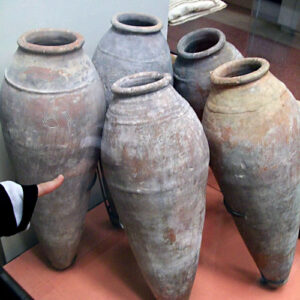 All the livestock in tow had 2 important purposes. To carry gallons and gallons of wine and beer in jars for hundreds of miles. Also to be used as tasty meal for the feast. So many people with livestock, wine, beer and mead were at this festive feast. The
 band of party goers accumulated in Britain from countries such as Egypt, Iraq, Mesopotamia, Pakistan, China and India.


 In New York City there was a billboard from 1939 to 1941 advertising Feigenspan Light Beer. Never really took off.


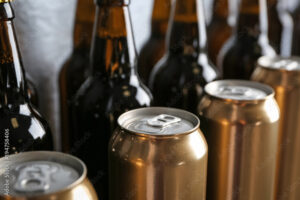
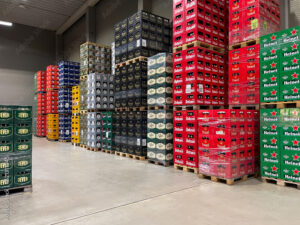
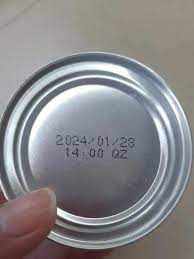 and at what temperature. There is a due date. Think of beer like milk. Drink Grandma’s 50-year-old lost bottle of beer would not taste good and flat. Even with transport and storage we must look at