Difference Between Beer Bottles or Cans.
Harold was sitting at the kitchen table with 2 beers, one bottle and one can of the same brand. What are you doing Harold? Double fisting?
Harold replied, “No tasting to see if there is a difference between bottles and cans. They seem to be the same.”
Let us scientifically investigate into this. Dr. Wetbrain declared.
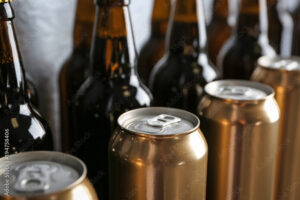
Bottles or cans, which beer container is better? This is quite the debate. Both have their pros and cons.
First to note is that different beers have a different metabolic profile which reacts differently in bottles or cans.
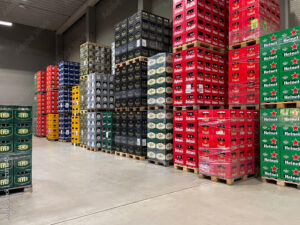
Other things to consider on which is better is the storage time in a warehouse, transportation time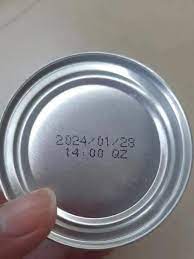 and at what temperature. There is a due date. Think of beer like milk. Drink Grandma’s 50-year-old lost bottle of beer would not taste good and flat. Even with transport and storage we must look at Total Packaged Oxygen. I was thinking about this because I have had a half full bottle of beer from the night before, gave the bottle a good shake with my thumb over the top. Always good to drink after.
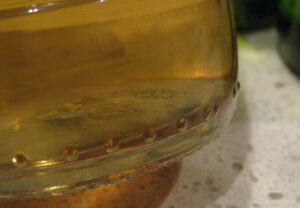
Note: Bumps at the bottom of beer bottles are not how many times that bottle was disinfected and reused. These are mold codes to let the manufactor to produce the very same bottle.
Sunlight and oxygen can upset the brewing process. Glass bottles in sunlight can make certain beers skunk tasting. The green tinted bottles help that problem, a little. Cans will not absorb any UV rays at all.
Cans did have a bad reputation of the beer tasting tin like. But these days tin cans have a protective liner on the inside. No tin taste, oxygen and sunlight.
Useful Notes:
If you had a cold beer and somehow got it warm, then cooled it again, this would not change the quality and taste of the beer. Whether bottles or cans.
The density of glass on beer bottles vs tin cans keeps beer cold longer.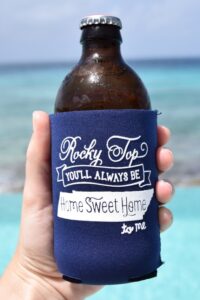
Stubby holder or cozy which is a glove around your beer makes the insulation of beer stay colder longer.
Bottles of beer are heavier to carry to a party then same number of cans.
Harold thought about this and said, well I will just guzzle both bottle and can. No difference I noticed. Don’t want them to go bad, like milk.
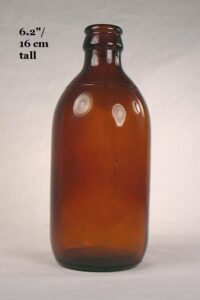
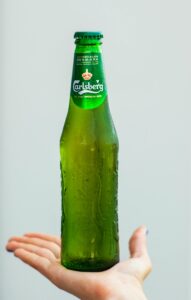 Dr. Wetbrain was reminiscing one day while sipping on a beer bottle. His thought drifted to the “Stubbie’s”. Beer bottles never had a tall neck at one time. It was in the 1980’s when the tall neck became popular. Twist top cap bottles were already used in the 1960’s but never got popular till much later. Thanks to the tall neck bottles. I remember using lighters and seatbelts for stubby bottle openers. Seen people using boards and their eye socket to open beer bottles. What the??!